Long before anyone hands you a spoon, you are already tasting
Put it all together and taste looks less like a personal choice than a pile of circumstances
By Paola González Obando
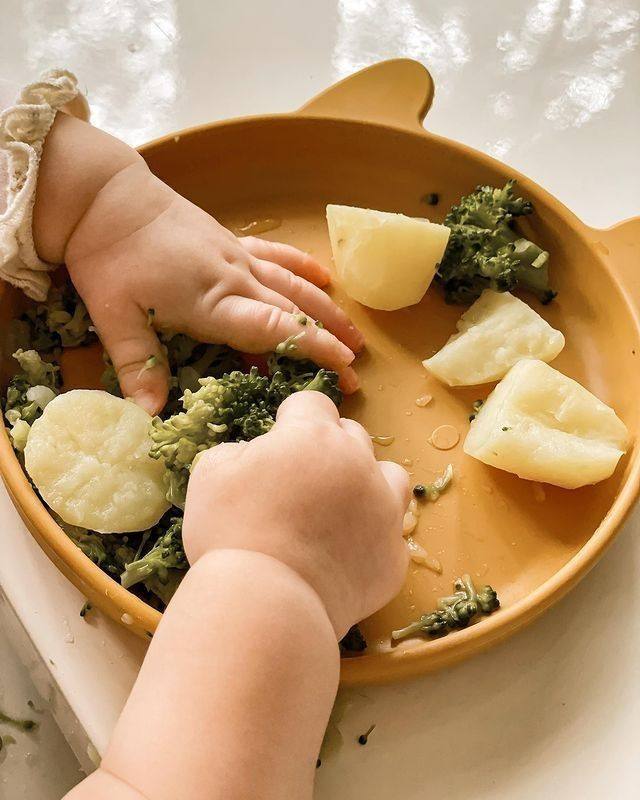
Long before anyone hands you a spoon, you are already tasting. In the last months of pregnancy, a baby swallows amniotic fluid every day, up to a liter of it, and that fluid carries traces of whatever the mother has eaten: garlic, vanilla, mint. You were sitting at your mother’s table before you could complain about the menu.
Researchers in Philadelphia, at a laboratory devoted entirely to taste and smell, wanted to know whether those early flavors leave a mark. They gave carrot juice to some pregnant women, to some mothers while they breastfed, and to others not at all. Months later, when the babies were offered carrot-flavored cereal, the ones who already knew carrot from the womb or the milk ate more of it and pulled fewer faces. Every parent knows those faces. These babies had, in a sense, been briefed.
The same researchers also dismantled an old piece of advice. Nursing mothers were long told to avoid strong flavors, in case the baby refused the milk. In a 1991 study, mothers ate garlic, the milk carried the flavor, and the babies drank it happily. Garlic was never the problem.
Formula-fed babies follow the same rule. In another study, some infants received a special formula made from broken-down proteins, which tastes noticeably savory and bitter, while others received standard formula. Months later, when everyone was offered a savory broth, the babies raised on the special formula drank more of it, and faster. The researchers describe a short window, opening in the womb and closing a few months after birth, when flavors make an especially lasting impression. It is not destiny. But a head start has a way of settling in.
Then comes the table you grow up at, and that one has a long arm.
A psychologist named Paul Rozin once spent a month in a village near Oaxaca, Mexico, trying to understand why people there loved chili when chili hurts. Children began to enjoy it around the age of four or five, after years of family meals where it was simply there. The village dogs and pigs ate it daily too, since it was in the sauce on everything, yet the few he tested never chose a chili-spiced cracker over a plain one. Rozin calls what happens to the children benign masochism: we learn to enjoy what the body first rejects, as long as it does no real harm. Roller coasters, black coffee, scary movies and a bowl of ají belong to the same family.
What we are exposed to depends on what is within reach. Geography, tradition, work and income decide which ingredients appear often enough to become familiar, and familiarity is most of what we call good taste. That is how one person waits beside a grill on a cold Andean night for tripa mishqui, grilled intestines, to come off the fire while another would rather skip dinner. It is how a spoonful of caviar can be the summit of luxury for one diner and salty fish eggs that nobody should have to swallow for another. Nobody in either scene is wrong.
And then there is the part we cannot talk our way out of. For some people, cilantro tastes like soap. Researchers who studied more than fourteen thousand people found a small variation in the genes that govern smell, close to one that detects the aroma compounds in cilantro. Some of those same compounds show up in soap, which would explain the comparison. How common the dislike is depends on ancestry: a study in Toronto reported about 17 percent among people of European descent and about 4 percent among Hispanics. Even so, genes only tilt the scale. The same research found that common variations explain just a small part of the reaction, so upbringing and exposure still have plenty to say. Allergies are a different matter altogether, a response of the immune system and not of the tongue, which is why a good cook always asks before serving.
Put it all together and taste looks less like a personal choice than a pile of circumstances. In the Andes, guinea pig, cuy, arrives roasted at the center of a celebration. In much of the United States, the same animal is a pet that lives in a cage with a wheel. Neither side is cruel or sentimental. Both are loyal to the table they grew up at.
Most of us raised on the coast or in the highlands do not find the chontacuro appetizing: a plump palm grub dragging its glistening body across the chonta palm. But I know exactly what that reaction is made of. Had I been born in a Shuar community in the Amazon, that grub would be ordinary food, nothing to photograph.
None of this is an argument for eating everything. Some bites will disappoint you, and you are allowed to say so politely. But the person willing to try something from outside the table they were raised at gets something rare: a lesson in how many ways there are to eat well and live well. Curiosity at the table turns into exchange, then respect, then a wider mind and a wider palate. Try the thing. If you hate it, you have lost one bite and gained a story.